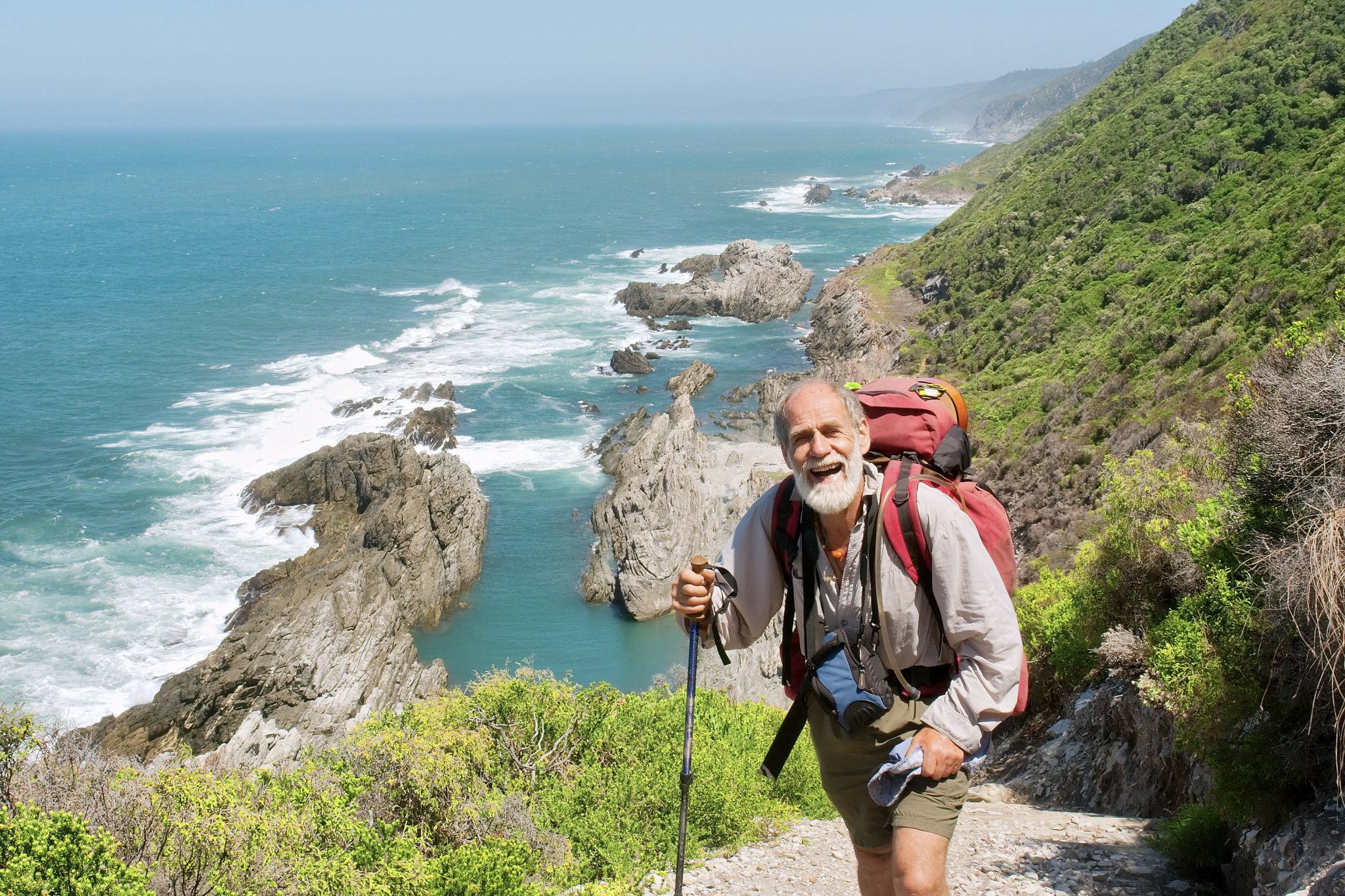
Explore the Knysna-Amatole Montane Forests, the hidden gem on the Garden Route. Lush forests, rare wildlife and serene landscapes for a perfect getaway.

Nestled along South Africa’s Garden Route, the Knysna-Amatole Montane Forests are a hidden gem of natural beauty, rich biodiversity and cultural significance. Stretching across 3,100 square kilometres in the Eastern and Western Cape, this ecoregion is part of the tropical and subtropical moist broadleaf forests biome. Despite being the country’s smallest ecoregion, it boasts remarkable ecological diversity and is home to South Africa’s largest individual forests.
Knysna and Amatole
The Knysna-Amatole Montane Forests are divided into two main areas: the Knysna Forest, located along the coast within the renowned Garden Route, and the Amatole Forests, further inland.
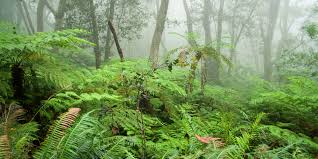
The Knysna forest spans the southern slopes of the Outeniqua Mountains, with elevations ranging from 5m to 1220m. It is a subtropical forest that enjoys year-round rainfall, receiving between 525mm and 1220mm of annual precipitation. The Amatole forests, meanwhile, are situated at higher altitudes (700m–1,250m) and receive even more rainfall, ranging from 750mm to 1500mm.
A Haven for Wildlife
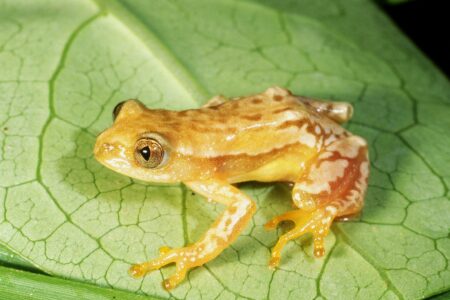
These forests support a rich array of wildlife, including rare and endangered species. The Knysna-Amatole Montane Forests are also home to the southernmost population of African bush elephants, along with other species such as the leopard (now nearly extinct locally), bushbuck, vervet monkeys and the blue duiker. A key amphibian species here is the Knysna banana frog, which, along with other species like the treefrog and the Southern ghost frog, is endemic to the region.
Bird enthusiasts will delight in spotting near-endemic species like the Knysna turaco, Knysna woodpecker and the forest canary. These forests also provide a habitat for the Knysna dwarf chameleon and rare mammals such as the long-tailed forest shrew and Duthie’s golden mole.
Majestic Trees and Plant Life
The forests are filled with towering yellowwoods, stinkwoods and Cape holly, along with many other indigenous trees like white pear, Cape beech and ironwood. Despite its vast diversity, tree endemism in the Knysna-Amatole ecoregion is relatively low compared to other regions, though the landscape remains vital to South Africa’s overall biodiversity.
More than 70% of the Knysna forests are managed and protected, with many areas integrated into nature reserves like the Garden Route National Park and parts of the Cape Floral Region Protected Areas.
A Natural Paradise for Visitors
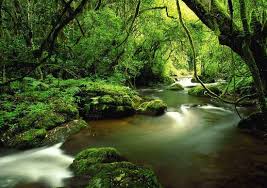
Knysna is not only a vital part of South Africa’s ecological landscape but also a top holiday destination. Known as the “Place of Wood” in the Khoi language, Knysna is a natural wonderland filled with lush forests, serene lakes and golden beaches. Visitors can explore iconic spots like the Diepwalle Forest, the Garden of Eden and the Gouveld Forest, where wildlife encounters and stunning landscapes await.
Whether you’re a wildlife enthusiast, a nature lover or just looking for a tranquil escape, the Knysna-Amatole Montane Forests offer a truly unique experience.
From lush forests and majestic wildlife to serene beaches and rich cultural history, the Knysna-Amatole Montane Forests are a must-see for anyone looking to experience the best of South Africa’s Garden Route.

For those planning a visit, Hello Garden Route offers a variety of accommodation options in Knysna to suit every traveller. Make your stay memorable and enjoy the natural beauty of one of South Africa’s most enchanting regions.